

“>
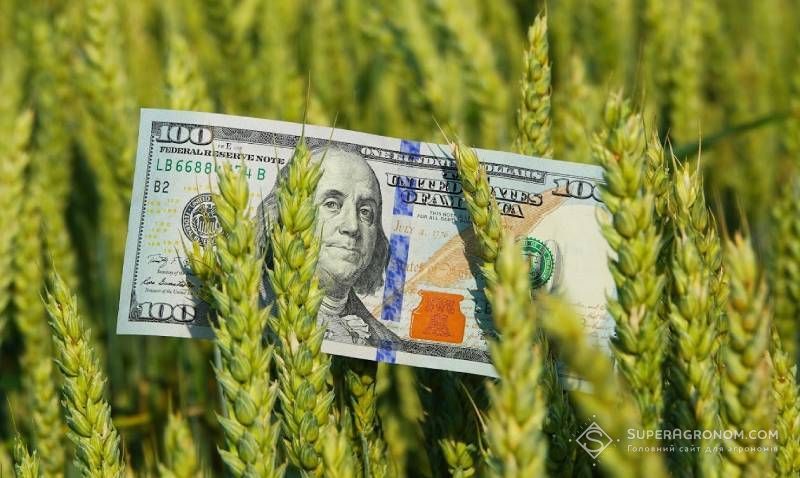
Photo: SuperAgronom.com
In the 2026/27 marketing year, Ukraine might harvest approximately 82-85 million tons of grains and oilseeds. ASAP Agri estimates total production at 84.9 million tons, USDA at 82.5 million tons, and the Ukrainian Grain Association at 82.6 million tons.
This could surpass the 2025/26 MY result, which, according to various estimates, was between 77.9-80.6 million tons. Latifundist.com was informed about this by Inna Stepanenko, a leading analyst in the grain market at ASAP Agri.
Wheat and barley harvesting is actively underway, and their current yields significantly exceed last year’s figures. For barley, the indicators are record-breaking. At the same time, the final harvest will largely depend on late crops – corn, sunflowers, and soybeans. According to ASAP Agri, in the south, they are already finishing crop formation, while in the central and parts of the eastern regions, they are still flowering, so their potential will depend on the August weather.
Steppe: harvest potential is largely formed
In the steppe zone, the condition of corn, sunflowers, and soybeans is rated as good or very good. More favorable weather conditions and more accessible nitrogen fertilizers in winter allowed farmers to establish a high yield potential.
Corn in the south has mostly finished flowering, and sunflowers look much better than last year, when the average yield in parts of the steppe regions was only 0.6-0.8 tons/ha.
The expected temperature increase in August to +35…+37°C should no longer significantly impact yields in regions where the main crop formation phases are complete. Heat will most likely only accelerate crop ripening.
Odesa region and the South: weather conditions are much better than last year
According to Stepanenko, in the Odesa region and other southern areas, the weather this season has been significantly more favorable. Temperatures did not cause critical damage to the crops, and timely rainfall helped avoid the widespread drought observed last year.
The condition of sunflowers is assessed positively, and farmers expect a significantly larger harvest of oilseeds. Overall, the southern regions may significantly improve their late crop yields compared to 2025.
Dnipropetrovsk region: rains improved prospects, but vegetation is lagging
In the Dnipropetrovsk region, corn and sunflowers are mostly in the flowering phase or nearing its end, lagging in development by one to two weeks due to a cold spring. July rains have improved harvest prospects, so yields could be at or above last year’s level. However, the main risk remains the lack of heat at the end of summer, which could increase the moisture content of corn grain and the costs of drying it.
Kharkiv region: late crops are much better than last year
In the Kharkiv region, corn and sunflowers are in various stages of flowering, and moisture reserves remain sufficient at present.
Unlike last year, when corn crops were already suffering from drought, this season they are maintaining good condition. Current rains are favorable for corn and sunflowers, although precipitation during wheat ripening might have negatively affected its qualitative indicators.
Yields of late crops, particularly sunflowers, are expected to be higher than last year. However, crop condition significantly depends on the hybrid, plant protection system, and specific location.
Vinnytsia region: harvest will depend on August rains
In the Vinnytsia region, well-protected crops are generally in satisfactory condition. However, late-sown corn and sunflowers are just entering the flowering phase.
Therefore, the heat expected in August, reaching +35…+36°C, might coincide with the critical period of crop development and cause flower abortion. For normal pollination, grain formation, and seed filling, the region needs at least one or two productive rains throughout August. The final harvest potential in the Vinnytsia region will become clearer only at the end of August or the beginning of September.
Large harvest increases logistical risks
A potentially large harvest could exacerbate export problems, according to analysts. According to UZA calculations, in the 2026/27 MY, Ukraine could potentially export about 52 million tons of grains and oilseeds. However, achieving this forecast is only possible if deep-water navigation functions normally, as alternative routes cannot fully replace deep-water ports.
According to ASAP Agri’s calculations, the maximum monthly transshipment volume through Danube ports was about 2.5 million tons, while the record for transportation by road and rail reached approximately 2.2 million tons. These results were recorded during different periods and do not reflect the stable simultaneous throughput capacity of alternative logistics. For comparison, Ukraine’s deep-water ports can facilitate the export of up to 6 million tons of agricultural products per month.
“Even with favorable development of late crops, a large harvest does not guarantee high profitability for farmers. Limited export opportunities can lead to the accumulation of domestic stocks, increase the burden on elevator infrastructure, and put pressure on purchase prices,” concluded Stepanenko.


Olena Basanets, SuperAgronom.com
Be the first to know the latest agronomic news from Ukraine on our Facebook page, Telegram, and subscribe to SuperAgronom’s Instagram.