

[object Object]
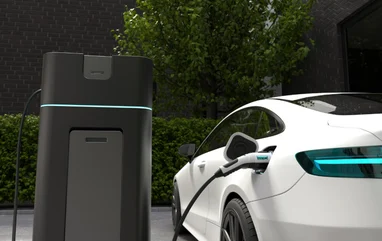
Why electric cars don’t have a radiator grilleThe sleek front end has become one of the defining features of modern electric vehicles.The absence of a traditional radiator grille is due not only to design but also to structural peculiarities. Unlike internal combustion engine vehicles, electric cars do not require large volumes of air for the power unit to operate, allowing manufacturers to make the front of the body almost entirely enclosed.A closed front panel also improves aerodynamics, as air flows more smoothly around the body, reducing drag and energy consumption while driving. This positively affects the driving range, and other aerodynamic solutions, such as flush door handles, a flat underbody, and special wheel designs, further enhance efficiency.
Electric cars still need cooling
Despite the lack of a traditional grille, electric cars utilize cooling systems. The battery pack, electric motors, inverter, charging equipment, electronics, and climate control system all require temperature regulation.This is why most modern models feature compact air intakes in the lower part of the front bumper. Some manufacturers also employ active shutters that open only when the system requires additional cooling.One example is the Hyundai Ioniq 5, equipped with active air flaps. When closed, they improve energy efficiency, and they open solely to maintain optimal battery temperature.
High-performance electric cars have more ventilation
Not all electric vehicles have a completely closed front end. High-performance models generate significantly more heat during intense acceleration, high-speed driving, rapid charging, or track use.For instance, the Hyundai Ioniq 5 N features functional vents, air ducts, and active flaps. Large electric pick-ups and SUVs may also have more noticeable cooling openings, especially if they are designed for towing or operation in hot climates.
The grille as a design element and sensor housing
Many automakers do not completely abandon the characteristic grille shape, as it remains a crucial part of brand recognition. For example, in the BMW iX, the signature “kidneys” do not allow air through but serve as a closed panel housing various sensors.Other manufacturers utilize decorative panels, lighting elements, or black inserts that merely imitate the traditional grille without serving its original function.In conclusion, the absence of a large radiator grille in electric cars is a consequence of a different powertrain design. However, modern electric vehicles still require cooling, which they achieve much more efficiently by using compact air intakes and active shutters.From the materials: MMR# AutoPlace for your ad