

“>
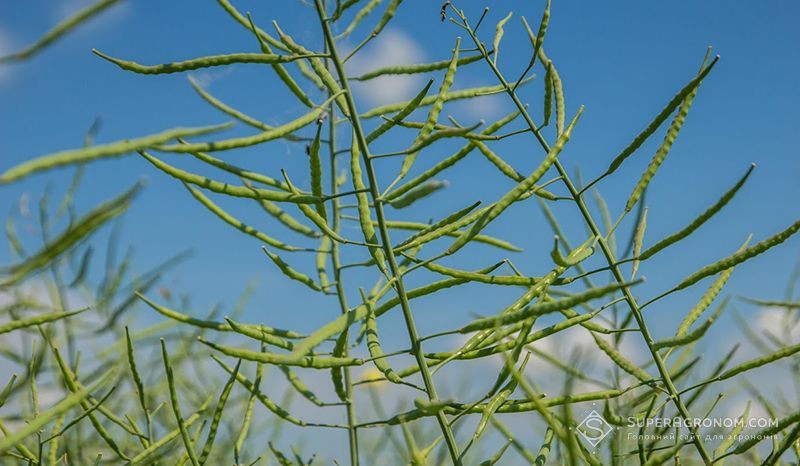
Photo: SuperAgronom.com Winter Rapeseed
Integrating winter rapeseed into the traditional corn-soybean crop rotation in the U.S. Midwest could boost farm profitability and overall crop productivity. This conclusion was reached by researchers at the University of Illinois Urbana-Champaign based on modeling the cultivation of rapeseed in a double-cropping system, reports World Grain.
The researchers compared a traditional corn–soybean rotation with a corn–rapeseed–soybean system under varying levels of nitrogen fertilization. The model considered actual weather and environmental conditions in Illinois from 2019-2024. The most favorable outcomes were observed in the scenario with complete nitrogen nutrition for winter rapeseed in both autumn and spring.
According to the study results, the addition of rapeseed increased the overall productivity of the crop rotation by 18% while maintaining stable greenhouse gas emission intensity. Furthermore, the system with rapeseed facilitated better carbon sequestration. All simulated variations of the diversified crop rotation proved more profitable than the traditional corn–soybean system, with annual profits being 10–23% higher.
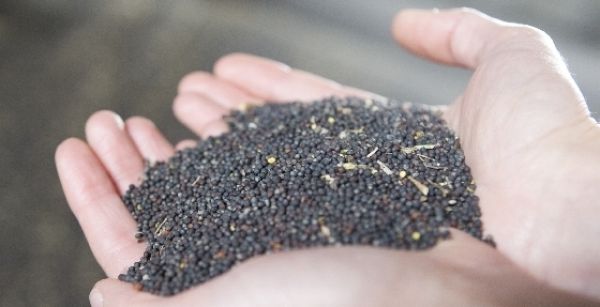
One of the advantages of winter rapeseed highlighted by researchers is its potential for productive land utilization between the autumn harvest of the main crop and spring planting. Instead of leaving fields fallow for approximately six months, farmers can grow rapeseed, which not only protects the soil but also yields an additional harvest. The seeds can also serve as a feedstock for low-carbon biofuel production.
Currently, the obtained results are based on modeling and require validation through field trials. Scientists estimate that winter rapeseed is most suitable for double cropping in southern Illinois; however, the development of more frost-resistant varieties could expand its cultivation further north in the U.S. Midwest.

Olena Basanets, SuperAgronom.com
Be the first to learn the latest agronomic news from Ukraine on our Facebook page, Telegram, and subscribe to SuperAgronom’s Instagram.